Eco-sustainability
Le Strette: Sustainable Viticulture
To certify means to guarantee. Since its foundation, Le Strette has based its winemaking philosophy on sustainable viticulture, cultivating its vineyards in an ecological and rational way according to the principles of integrated agriculture.
This commitment was formally recognised in 2012 with the UNI:11233 sustainability certification.
Since 2017, Le Strette has been among the first Italian wineries to comply with the National Quality System for Integrated Production (SQNPI), a protocol recognised at European level.
This certification confirms compliance with regional agronomic practices and is based on the principles of Integrated Agriculture, which combines biological and rational techniques to reduce or eliminate the use of chemical products. This approach ensures environmental protection, the preservation of natural resources and food safety—fundamental elements for producing an authentic Piedmontese wine of exceptional organoleptic quality.
By working in this way, Le Strette contributes to the preservation of the natural ecosystem and to the enhancement of the Langhe territory.
What does it mean to work sustainably in viticulture and winemaking?
For Le Strette, adopting Integrated Agriculture means combining experience and technical expertise, balancing the protection of the territory with the goal of producing wines of excellence.
This approach includes the rational management of vineyard treatments, reducing interventions to the minimum necessary to protect the plants. It also aims to maintain soil fertility and balance in a natural way.
Both grapes and wines undergo rigorous multi-residual analyses, ensuring the achievement of company objectives and the safety of the final product.
How does this translate into sustainable viticulture?
The system adopted by Le Strette is structured around several organisational and operational aspects, all focused on the sustainable management of vineyards, with the ultimate goal of protecting the agricultural environment from multiple perspectives. Some of the key principles of their viticulture in the heart of Piedmont include:
- Creating optimal vegetative conditions to limit disease development without using chemical fertilisers, favouring natural organic inputs such as humus and manure, dosed according to the real needs of the plants.
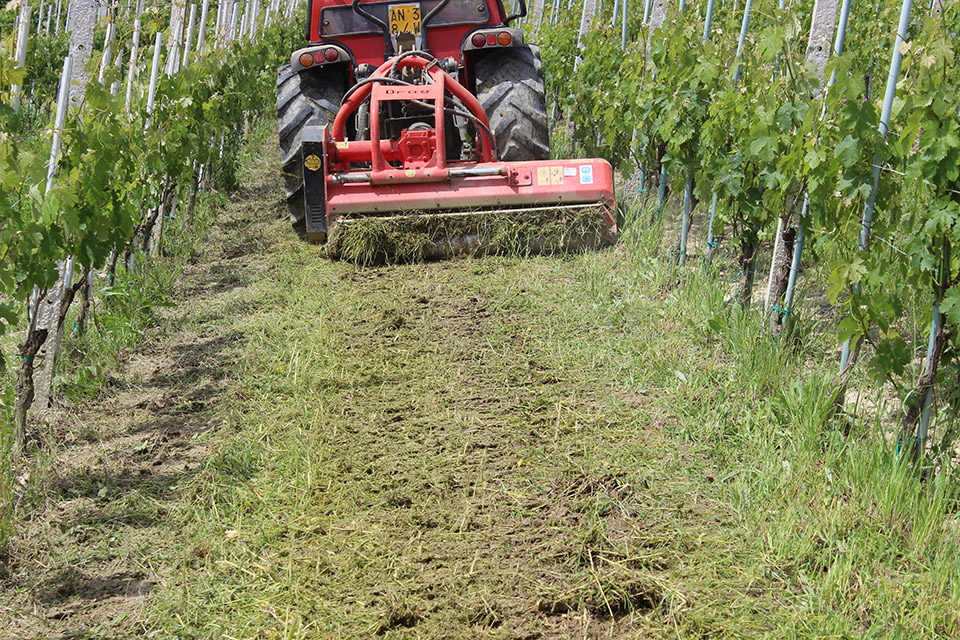
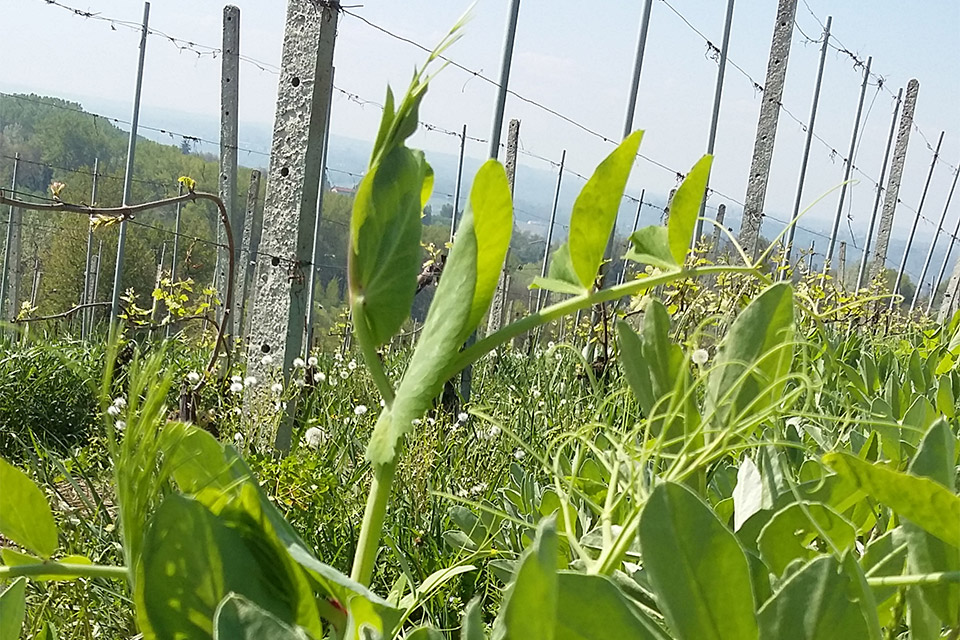
- Abandoning the use of herbicides for many years, opting instead for mechanical soil management that promotes controlled grassing and green manuring. This improves soil fertility, enriches its structure and stimulates microbial growth, contributing to biodiversity and supporting the natural balance between insects, birds and other beneficial organisms.
Regarding plant protection, the winery avoids systemic products except in cases of exceptional risk, and adopts innovations based on eco-friendly and natural products. The goal is to strengthen the plants’ natural self-defence mechanisms against major diseases. Le Strette also significantly reduces the use of copper and does not employ insecticides, except when required for mandatory treatments against specific diseases such as flavescence.
The aim of these eco-sustainable choices is to obtain healthy, balanced grapes that naturally translate into higher wine quality. This rigorous and integrated system combines multiple levels of knowledge and strategy to ensure a long-term, sustainable viticulture that respects and preserves the natural ecosystem surrounding the vineyards.
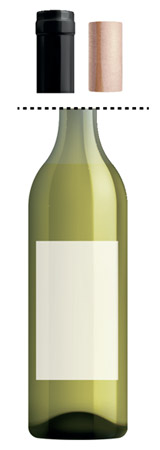
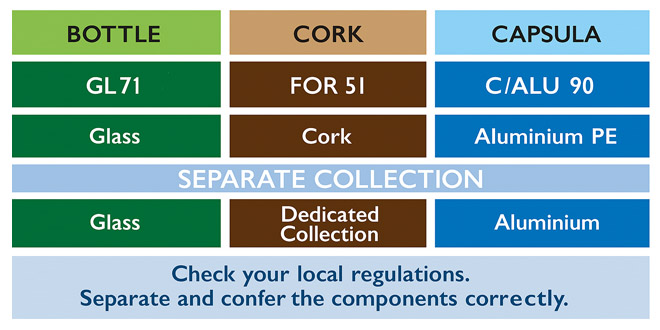
Packaging Waste Disposal
Come si traduce questo nella viticoltura sostenibile?